


As a supplier of Three Layer Composite Panels, I understand the importance of maintaining these versatile materials in top - notch condition. Three Layer Composite Panels are widely used in various applications, including Modular Kitchen Cabinet System, Glass Showcase Display Cabinet, Closet Carcass, and Concealed Sliding Doors in Wall. Their durability and aesthetics can be significantly enhanced with proper cleaning. In this blog, I'll share some effective cleaning methods for three - layer composite panels.
General Cleaning Principles
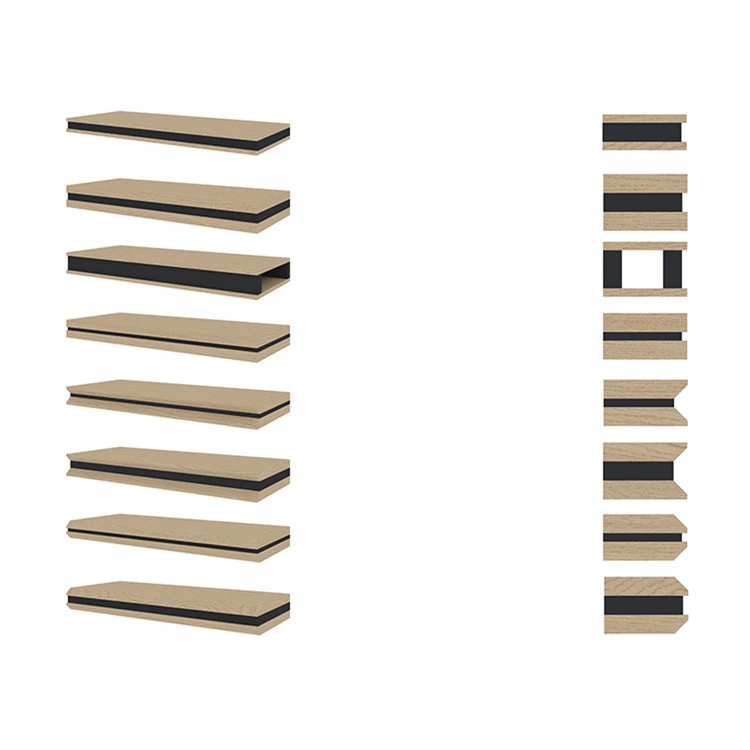
Before diving into specific cleaning methods, it's essential to understand some general principles. Three - layer composite panels are composed of multiple layers, and improper cleaning can damage the surface or the bonding between layers. Therefore, always start with gentle cleaning methods and gradually increase the intensity if necessary. Avoid using abrasive cleaners, scouring pads, or sharp objects that can scratch the panel surface.

Daily Dusting
Dust is a common enemy of any surface, and three - layer composite panels are no exception. Daily dusting can prevent the accumulation of dirt, which can become more difficult to clean over time. Use a soft, dry microfiber cloth for dusting. Microfiber cloths are great because they can attract and hold dust particles without scratching the panel surface. Simply wipe the panel in a gentle, sweeping motion. If the panel is in a high - traffic area or an environment prone to dust, such as a construction site or a workshop, you may need to dust more frequently.
Cleaning Mild Stains
For mild stains like fingerprints, watermarks, or light food splatters, a mixture of mild dish soap and warm water can work wonders. Here's how to clean the panels using this solution:
- Prepare the Cleaning Solution: Mix a small amount of mild dish soap with warm water in a bucket. Make sure the soap is well - dissolved. You don't need a lot of soap; too much can leave a residue on the panels.
- Apply the Solution: Dip a soft sponge or a clean microfiber cloth into the soapy water. Wring it out thoroughly so that it's damp but not dripping.
- Clean the Stains: Gently wipe the stained area in a circular motion. Be careful not to apply too much pressure, especially on the edges of the panel. If the stain is stubborn, you can let the soapy water sit on the stain for a few minutes to loosen it.
- Rinse the Panel: After cleaning the stain, rinse the panel with clean water. You can use a separate clean cloth or sponge dampened with water for this. Make sure to remove all traces of the soapy solution.
- Dry the Panel: Use a dry microfiber cloth to dry the panel completely. This helps prevent water spots and ensures the panels maintain their appearance.
Removing Grease and Oil Stains
When dealing with grease and oil stains, which are common in kitchen applications, you may need a more specialized cleaning approach.
- Baking Soda Paste: Baking soda is a natural and effective cleaner for grease. Mix baking soda with a small amount of water to form a thick paste. Apply the paste to the grease stain and let it sit for about 10 - 15 minutes. The baking soda will help absorb the grease. Then, use a soft cloth or sponge to gently scrub the area in a circular motion. Rinse with clean water and dry the panel.
- Vinegar Solution: A solution of white vinegar and water can also be used to clean grease stains. Mix equal parts of white vinegar and water in a spray bottle. Spray the solution onto the greasy area and let it sit for a few minutes. The acidic nature of vinegar helps break down the grease. Wipe the area with a soft cloth and rinse with water. Dry the panel thoroughly to avoid any vinegar odor remaining.
Cleaning Scuff Marks
Scuff marks can occur due to furniture movement or accidental impacts. To remove scuff marks from three - layer composite panels:
- Pencil Eraser: For minor scuff marks, a regular pencil eraser can be surprisingly effective. Rub the scuff mark gently with the eraser in a back - and - forth motion. The eraser will lift the scuff mark without damaging the panel surface.
- Magic Eraser: Magic erasers are designed to remove tough stains and scuff marks. Dampen the magic eraser slightly and gently scrub the scuff mark. However, be cautious when using magic erasers near panel edges or on thinner panels as they can be a bit abrasive.
Deep Cleaning
Periodically, three - layer composite panels may require a deep cleaning. This is especially important for panels in high - use areas or those exposed to harsh conditions.
- Commercial Panel Cleaners: There are many commercial cleaners available specifically designed for composite panels. When choosing a cleaner, make sure to read the label carefully to ensure it is suitable for three - layer composite panels. Follow the manufacturer's instructions for application and dilution. Usually, you'll need to spray the cleaner onto the panel, let it sit for a specified time, and then wipe it off with a clean cloth.
- Steam Cleaning: Steam cleaning is a chemical - free and effective method for deep cleaning. Use a steam cleaner on a low - setting to avoid damaging the panel. The steam helps loosen dirt and grime deep within the panel pores. Move the steam cleaner slowly and evenly across the panel surface. After steam cleaning, use a dry cloth to remove any moisture.
Preventive Maintenance
In addition to regular cleaning, preventive maintenance can extend the lifespan of three - layer composite panels.
- Use Protective Pads: If you're using the panels in furniture applications, place protective pads under furniture legs and other objects that come into contact with the panels. This can prevent scratching and scuffing.
- Avoid Direct Sunlight: Prolonged exposure to direct sunlight can cause the panels to fade or warp. If possible, use curtains or blinds to protect the panels from excessive sunlight.
- Control Humidity: High humidity levels can cause the panels to absorb moisture, leading to swelling or delamination. Use a dehumidifier in humid environments to maintain optimal humidity levels.
In conclusion, proper cleaning and maintenance are crucial for keeping three - layer composite panels looking their best and ensuring their long - term performance. By following these cleaning methods and preventive maintenance tips, you can enjoy the beauty and functionality of Three Layer Composite Panel for years to come.
If you're interested in purchasing high - quality three - layer composite panels for your projects, whether it's for Modular Kitchen Cabinet System, Glass Showcase Display Cabinet, Closet Carcass, or Concealed Sliding Doors in Wall, we're here to help. Please reach out to us to discuss your specific requirements and start a procurement conversation.
References
- General cleaning guidelines for composite materials from industry trade magazines.
- Manufacturer's instructions for three - layer composite panels.