


Hey there! I'm a supplier of cabinet bodies, and I know how crucial it is to measure a cabinet body accurately. Whether you're a DIY enthusiast, an interior designer, or a contractor, getting those measurements right can make or break your project. So, let's dive into the nitty-gritty of measuring a cabinet body accurately.
Why Accurate Measurements Matter
First off, why is it so important to measure a cabinet body accurately? Well, for starters, it ensures a proper fit. A cabinet that's too big won't fit in the space you've allocated, and one that's too small will look out of place. Accurate measurements also help you order the right amount of materials, which can save you time and money. Plus, it makes the installation process a whole lot smoother.
Tools You'll Need
Before you start measuring, you'll need a few tools. Here's what I recommend:
- Tape Measure: A good quality tape measure is a must. Look for one that's at least 25 feet long and has clear markings.
- Level: A level helps you ensure that your cabinet is straight and level. This is important for both the appearance and functionality of the cabinet.
- Pencil and Paper: You'll need to write down your measurements, so keep a pencil and paper handy.
Measuring the Width
The first measurement you'll need to take is the width of the cabinet body. Here's how to do it:
- Clear the Area: Make sure the area where the cabinet will be installed is clear of any obstacles.
- Measure the Opening: Use your tape measure to measure the width of the opening where the cabinet will be placed. Measure from the inside of one side wall to the inside of the other side wall. Make sure to measure at the top, middle, and bottom of the opening, as the width may vary slightly.
- Record the Measurement: Write down the smallest measurement you took. This will ensure that the cabinet fits properly in the opening.
Measuring the Height
Next, you'll need to measure the height of the cabinet body. Here's how:
- Measure from the Floor: Use your tape measure to measure from the floor to the top of the opening where the cabinet will be placed.
- Check for Uneven Floors: If the floor is uneven, you may need to measure at multiple points to get an accurate height.
- Record the Measurement: Write down the height measurement.
Measuring the Depth
The depth of the cabinet body is also important. Here's how to measure it:
- Measure from the Wall: Use your tape measure to measure from the back wall to the front of the opening where the cabinet will be placed.
- Consider the Door and Drawer Clearance: Make sure to account for the thickness of the cabinet doors and drawers when measuring the depth. You'll need to leave enough space for them to open and close properly.
- Record the Measurement: Write down the depth measurement.
Measuring for Wall Mounted Wardrobe System
If you're measuring for a Wall Mounted Wardrobe System, there are a few additional things to consider. Here's how to measure for a wall mounted wardrobe:
- Measure the Wall Space: Use your tape measure to measure the width and height of the wall where the wardrobe will be installed. Make sure to measure at multiple points to account for any unevenness in the wall.
- Determine the Mounting Height: Decide how high you want the wardrobe to be mounted on the wall. This will depend on your personal preference and the height of the ceiling.
- Mark the Mounting Points: Use a level and a pencil to mark the mounting points on the wall. Make sure the marks are straight and level.
- Measure the Distance between the Mounting Points: Use your tape measure to measure the distance between the mounting points. This will help you determine the size of the wardrobe that will fit properly on the wall.
Measuring for Concealed Sliding Doors in Wall
If you're measuring for Concealed Sliding Doors in Wall, here's what you need to do:

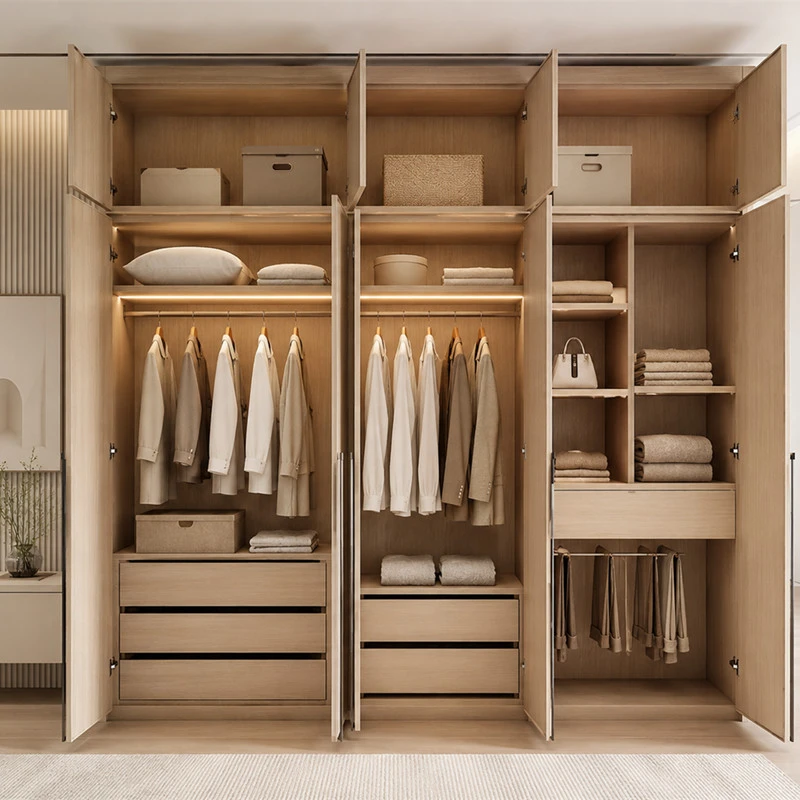
- Measure the Wall Opening: Use your tape measure to measure the width and height of the wall opening where the sliding doors will be installed. Make sure to measure at multiple points to account for any unevenness in the wall.
- Determine the Door Size: Decide on the size of the sliding doors you want to install. You'll need to make sure the doors fit properly in the wall opening.
- Measure the Track Length: Use your tape measure to measure the length of the track that will be installed in the wall. The track length will depend on the size of the doors and the amount of space you have available.
- Mark the Track Placement: Use a level and a pencil to mark the placement of the track on the wall. Make sure the marks are straight and level.
Measuring for Closet Carcass
If you're measuring for a Closet Carcass, here's how to do it:
- Measure the Closet Space: Use your tape measure to measure the width, height, and depth of the closet space where the carcass will be installed. Make sure to measure at multiple points to account for any unevenness in the walls or floor.
- Determine the Carcass Size: Decide on the size of the closet carcass you want to install. You'll need to make sure the carcass fits properly in the closet space.
- Measure the Shelf and Drawer Spacing: If you plan to install shelves and drawers in the closet, you'll need to measure the spacing between them. This will depend on your personal preference and the items you plan to store in the closet.
- Mark the Shelf and Drawer Placement: Use a level and a pencil to mark the placement of the shelves and drawers on the carcass. Make sure the marks are straight and level.
Measuring for Modular Kitchen Cabinet System
If you're measuring for a Modular Kitchen Cabinet System, here's what you need to do:
- Measure the Kitchen Space: Use your tape measure to measure the width, height, and depth of the kitchen space where the cabinets will be installed. Make sure to measure at multiple points to account for any unevenness in the walls or floor.
- Determine the Cabinet Layout: Decide on the layout of the cabinets you want to install. You'll need to consider the size and shape of the kitchen space, as well as your personal preferences and cooking needs.
- Measure the Countertop Space: If you plan to install a countertop, you'll need to measure the space where it will be placed. Make sure to account for the thickness of the countertop and any overhang.
- Mark the Cabinet Placement: Use a level and a pencil to mark the placement of the cabinets on the walls. Make sure the marks are straight and level.
Measuring for Three Layer Composite Panel
If you're using Three Layer Composite Panel for your cabinet body, here's how to measure it:
- Measure the Panel Size: Use your tape measure to measure the width and height of the panel. Make sure to measure at multiple points to account for any unevenness in the panel.
- Determine the Panel Thickness: Decide on the thickness of the panel you want to use. This will depend on the strength and durability you need for your cabinet body.
- Measure the Panel Edges: If you plan to edge the panel, you'll need to measure the edges to determine the length of the edging material you'll need.
- Mark the Panel Placement: Use a level and a pencil to mark the placement of the panel on the cabinet body. Make sure the marks are straight and level.
Tips for Accurate Measurements
Here are a few tips to help you get accurate measurements:
- Measure Twice: Always measure twice to make sure your measurements are accurate.
- Use a Level: A level helps you ensure that your measurements are straight and level.
- Account for Clearance: Make sure to account for the clearance needed for doors, drawers, and other components.
- Record Your Measurements: Write down your measurements as you go to avoid forgetting them.
Conclusion
Measuring a cabinet body accurately is essential for a successful project. By following the steps outlined in this blog post and using the right tools, you can ensure that your cabinet fits properly and looks great. If you have any questions or need further assistance, don't hesitate to reach out. We're here to help you with all your cabinet body needs. Whether you're working on a small DIY project or a large commercial installation, we have the expertise and products to meet your requirements. Contact us today to start discussing your project and get a quote. We look forward to working with you!
References
- "Cabinet Installation Guide." Home Depot.
- "Measuring for Cabinets." Lowe's.