


As a dedicated supplier of Glass Showcase Display Cabinets, I am often asked about the materials used in their construction. The choice of materials is crucial as it not only affects the appearance but also the durability, functionality, and cost of the display cabinets. In this blog, I will delve into the various materials commonly used to make glass showcase display cabinets, providing you with a comprehensive understanding of their characteristics and benefits.
Glass
Glass is the most prominent material in a glass showcase display cabinet. It serves as the transparent barrier that allows customers to view the displayed items while protecting them from dust, moisture, and damage. There are several types of glass used in these cabinets, each with its own unique properties.
- Float Glass: This is the most common type of glass used in display cabinets. It is made by floating molten glass on a bed of molten tin, resulting in a smooth and flat surface. Float glass is relatively inexpensive and offers good clarity, making it suitable for general-purpose display cabinets.
- Tempered Glass: Tempered glass is stronger and more resistant to breakage than float glass. It is created by heating the glass to a high temperature and then rapidly cooling it, which creates internal stresses that make the glass more durable. Tempered glass is often used in high-traffic areas or for displaying valuable items, as it shatters into small, relatively harmless pieces when broken.
- Laminated Glass: Laminated glass consists of two or more layers of glass bonded together with a plastic interlayer. This type of glass is highly resistant to impact and breakage, and it also provides some level of sound insulation and UV protection. Laminated glass is commonly used in display cabinets for museums, galleries, and high-end retail stores.
Wood
Wood is another popular material used in the construction of glass showcase display cabinets. It offers a warm and natural aesthetic that can enhance the overall look of the cabinet and the items on display. There are several types of wood used in display cabinets, each with its own unique characteristics.
- Plywood: Plywood is a composite wood material made by gluing together thin layers of wood veneer. It is strong, durable, and relatively inexpensive, making it a popular choice for the cabinet body. Plywood can be finished with a variety of stains and paints to match the desired aesthetic.
- Solid Wood: Solid wood is made from a single piece of wood, typically hardwoods such as oak, maple, or cherry. It offers a rich and natural look that is highly desirable for high-end display cabinets. Solid wood is more expensive than plywood, but it is also more durable and can be refinished multiple times.
- Particleboard: Particleboard is a composite wood material made by pressing wood particles together with a resin binder. It is inexpensive and easy to work with, but it is not as strong or durable as plywood or solid wood. Particleboard is often used for the back panels and shelves of display cabinets.
Metal
Metal is a versatile material that can be used in various parts of a glass showcase display cabinet, including the frame, hardware, and supports. It offers strength, durability, and a modern aesthetic that can complement a variety of design styles. There are several types of metal used in display cabinets, each with its own unique properties.
- Aluminum: Aluminum is a lightweight and corrosion-resistant metal that is commonly used for the frame of display cabinets. It is easy to work with and can be finished with a variety of colors and textures to match the desired aesthetic. Aluminum frames are often used in modern and contemporary display cabinets.
- Steel: Steel is a strong and durable metal that is commonly used for the hardware and supports of display cabinets. It is more expensive than aluminum, but it offers greater strength and stability. Steel hardware is often used in heavy-duty display cabinets or for displaying large and heavy items.
- Stainless Steel: Stainless steel is a corrosion-resistant metal that is commonly used for the frame and hardware of display cabinets in high-moisture or high-traffic areas. It offers a sleek and modern look that is highly desirable for contemporary display cabinets.
Other Materials
In addition to glass, wood, and metal, there are several other materials that can be used in the construction of glass showcase display cabinets, including:
- Plastic: Plastic is a lightweight and inexpensive material that can be used for the shelves, drawers, and other components of display cabinets. It is easy to clean and maintain, and it can be molded into a variety of shapes and sizes.
- Acrylic: Acrylic is a transparent plastic material that is often used as an alternative to glass. It is lighter and more shatter-resistant than glass, but it is also more prone to scratching. Acrylic is commonly used in display cabinets for trade shows, exhibitions, and other temporary displays.
- Fabric: Fabric can be used to line the interior of display cabinets, providing a soft and luxurious look. It can also be used to create backdrops or partitions, adding visual interest to the display.
Choosing the Right Materials
When choosing the materials for a glass showcase display cabinet, it is important to consider several factors, including:
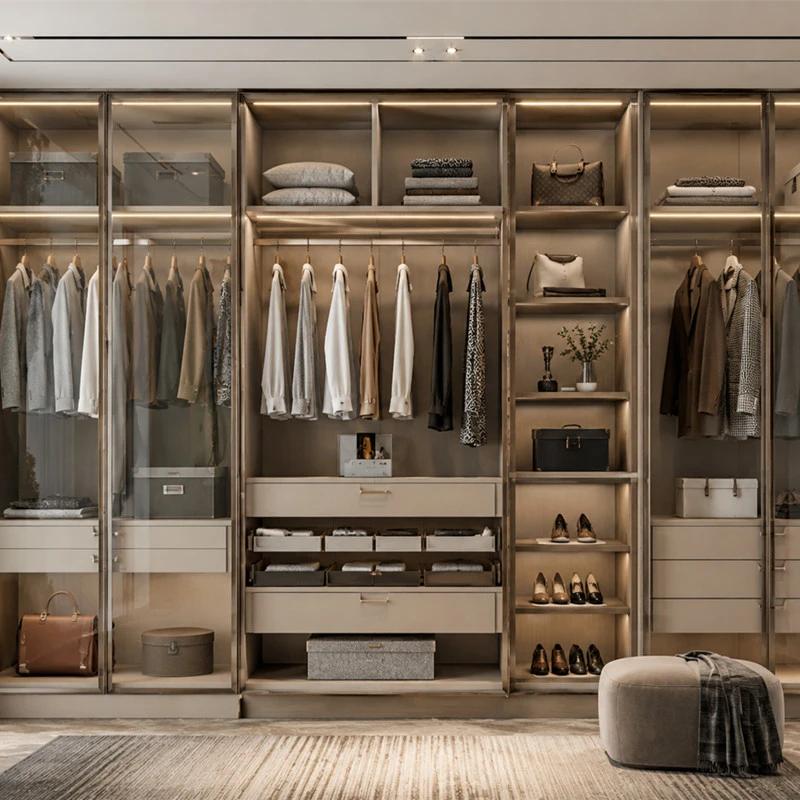
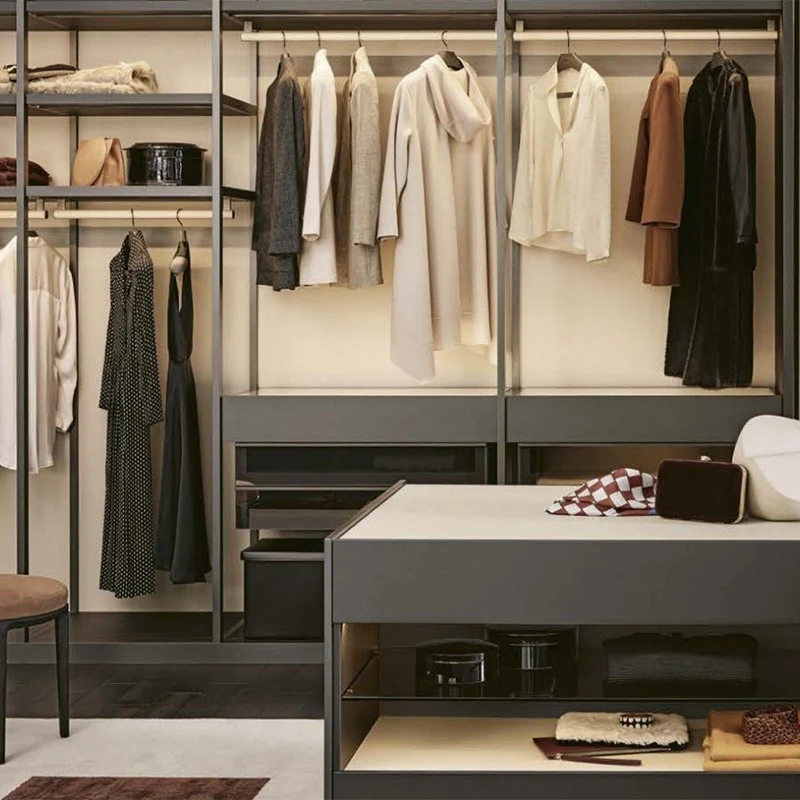
- Functionality: The materials used should be able to withstand the weight and size of the items on display, as well as the environmental conditions in which the cabinet will be located.
- Aesthetic: The materials used should complement the overall design style of the cabinet and the items on display.
- Cost: The materials used should be within the budget of the project.
- Maintenance: The materials used should be easy to clean and maintain.
Conclusion
In conclusion, the materials used to make glass showcase display cabinets play a crucial role in their appearance, durability, functionality, and cost. By understanding the characteristics and benefits of the various materials available, you can make an informed decision when choosing the materials for your display cabinet. Whether you are looking for a modern and contemporary design or a traditional and classic look, there is a material that will meet your needs.
If you are interested in purchasing a glass showcase display cabinet, I encourage you to contact us to discuss your specific requirements. Our team of experts will be happy to assist you in choosing the right materials and design for your display cabinet.
References
- "Glass Types and Properties." Glass Association of North America.
- "Wood Species Guide." Woodworkers Source.
- "Metal Materials for Construction." The Constructor.