


As a supplier of Closet Carcasses, I've always been passionate about making our products as user - friendly as possible. One crucial aspect that often gets overlooked is creating closet carcasses that are accessible for people with disabilities. In this blog, I'll share some ways we can make these storage units more inclusive.
First off, let's talk about height. For individuals who use wheelchairs or have limited mobility, reaching high shelves can be a real challenge. We can design our Closet Carcass to have a lower - height layout. Instead of having those tall, hard - to - reach upper shelves, we could focus on maximizing the space at a more accessible height. A good rule of thumb is to keep the majority of storage within 15 to 48 inches from the floor. This range is ideal as it allows a person in a wheelchair to comfortably access items without straining.
Another thing we can do is use adjustable shelves. These are a game - changer! With adjustable shelves, users can customize the height of each shelf according to their needs. For example, if someone has difficulty bending down, they can set the lower shelves higher. On the other hand, if they need more space for taller items, they can adjust the upper shelves accordingly. This flexibility makes our Closet Carcass much more adaptable to different users.
Doors and drawers also play a huge role in accessibility. Traditional hinged doors can be a hassle for people with limited hand dexterity or strength. Sliding doors are a great alternative. They require less force to open and close, and they don't take up as much space in front of the closet. Plus, they can be operated with a simple push or pull motion, which is easier for many people with disabilities.
Drawer pulls and handles are often overlooked but are very important. We should choose large, easy - to - grip handles. Handles that are shaped like a U or a loop are better than small, flat ones. This is because they can be grasped more easily, even with limited hand function. Some people might benefit from lever - type handles, which can be operated with a light push of the wrist.
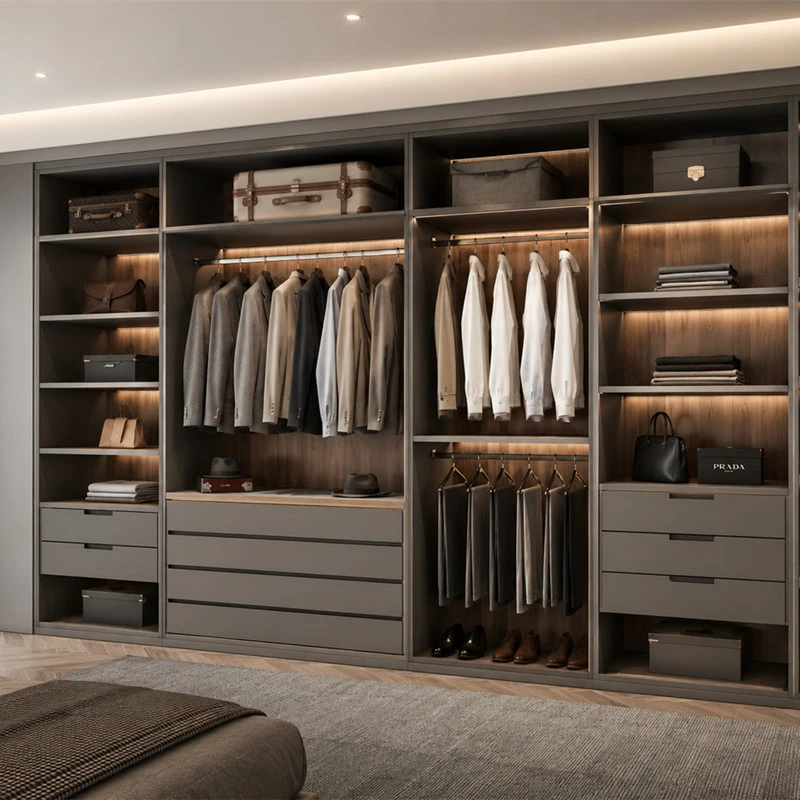
Lighting is another crucial factor. Adequate lighting inside the closet ensures that the user can clearly see what's inside. We can install LED lights that are motion - activated. This way, when the user opens the closet or drawer, the light automatically turns on. It's a simple addition but can make a big difference, especially for people with visual impairments.
Now, let's consider the materials we use. Our Three Layer Composite Panel is a great option for closet carcasses. It's strong, durable, and can be easily cut and shaped to fit our accessibility designs. The smooth surface is also easy to clean, which is important for maintaining hygiene.
In addition to these design changes, we can also offer some add - on features. For example, a pull - out hanging rod can be very useful. It allows the user to bring the clothes closer to them, rather than having to reach deep into the closet. This is especially helpful for people with limited mobility or range of motion.
We can also think about the overall layout of the closet. Instead of having a single large closet, we could design multiple smaller closets or compartments. This makes it easier to organize items and access them one at a time. It also reduces the need to reach across a large space, which can be difficult for some people.
When it comes to color and contrast, we should choose a color scheme that is easy to distinguish. For people with visual impairments, high - contrast colors are better. For example, using a light - colored interior with dark handles or vice versa can make it easier to see the different elements of the closet.
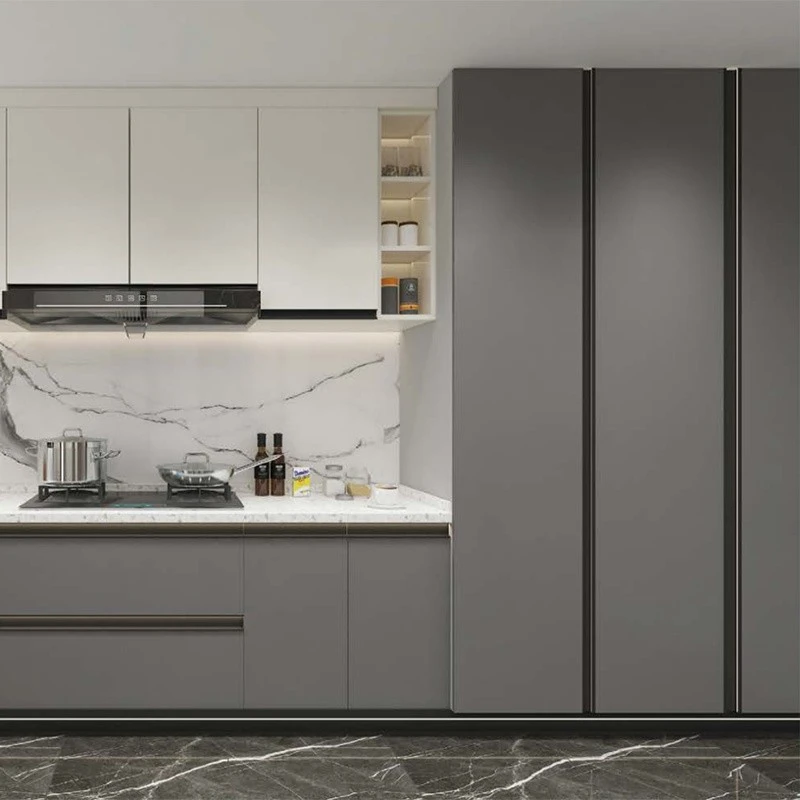
Our Modular Kitchen Cabinet System has some design elements that we can apply to our closet carcasses. The modular nature allows for easy customization and reconfiguration, which is great for meeting the specific needs of people with disabilities. We can take the same approach with our closet carcasses, creating a system that can be adjusted and adapted over time.
A Glass Showcase Display Cabinet offers some interesting insights as well. The visibility factor is a key advantage. We could incorporate glass panels in our closet carcasses to make it easier for users to see what's inside without having to open every door or drawer. This is especially useful for people with memory issues or visual impairments.
Even a Standing Wine Glass Rack can inspire us. Its efficient use of space and easy - access design can be translated into our closet carcass designs. We can use similar principles to create more space - efficient and accessible storage solutions.
In conclusion, making our Closet Carcasses more accessible for people with disabilities is not only the right thing to do but also makes good business sense. By incorporating these design changes, we can reach a wider customer base and provide a better product. If you're interested in learning more about our accessible Closet Carcass options or have any special requirements, we'd love to have a chat with you. Just reach out, and we can start discussing your perfect storage solution.
References
- General knowledge on accessible design for storage units
- Industry best practices for creating inclusive furniture products